















It’s a musical! And there’s nothing as amazing as a musical, as demonstrated by the wild success of Ames High Theater’s production of Something Rotten, the story about Nick Bottom, a man who really hated Shakespeare during the Renaissance, and his brother as they attempt to write a hit musical, “Omelette”, and learn the message of the show: “to thine own self be true”.
On April 17th, the show opened to the laughter of the audience as they engaged with the spectacle and enjoyed the comedy, unaware of the hard work and dedication that goes on behind the curtains. The many late nights and the early mornings poured into the production process that ended with sick actors although the audience couldn’t tell, misplaced costume pieces that were luckily found at the last minute, and occasionally going onstage without a pair of pants.
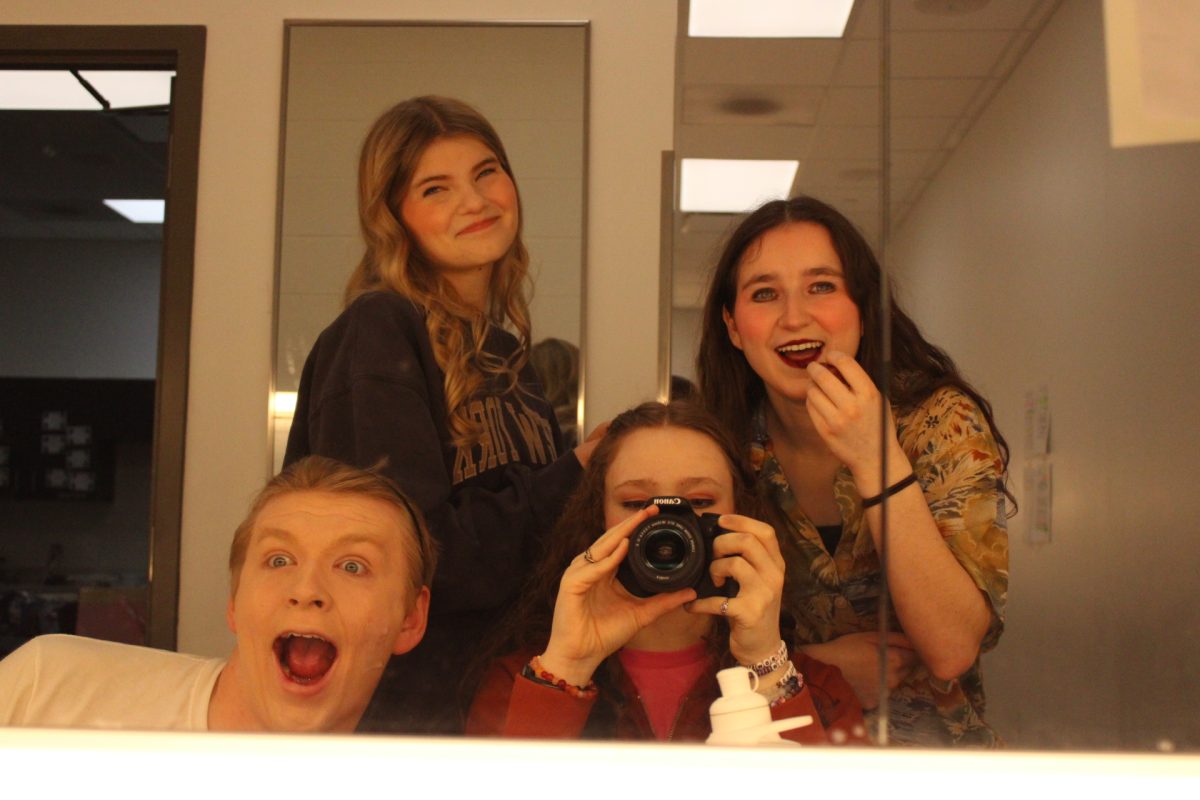
An outsider stepping backstage during an Ames High Show would be overwhelmed at the organized chaos and all the moving pieces required to make a show work. Each individual is an important part of the machine to keep the production running, even if you only see the actors and occasionally a lost member of the run crew-the people who take props and set pieces off and onstage during blackouts. From managing props, mixing sound and calling the show, sophomore Zoey Johnson summarizes this idea by saying, “When I first joined theater I was fairly intimidated. I assumed everyone knew everything and would just be frustrated with someone who had never been in theater before. I was completely off and felt very welcome in the community. I started off doing lights but now I’ve been able to act, do sound, play in the pit, and stage manage.”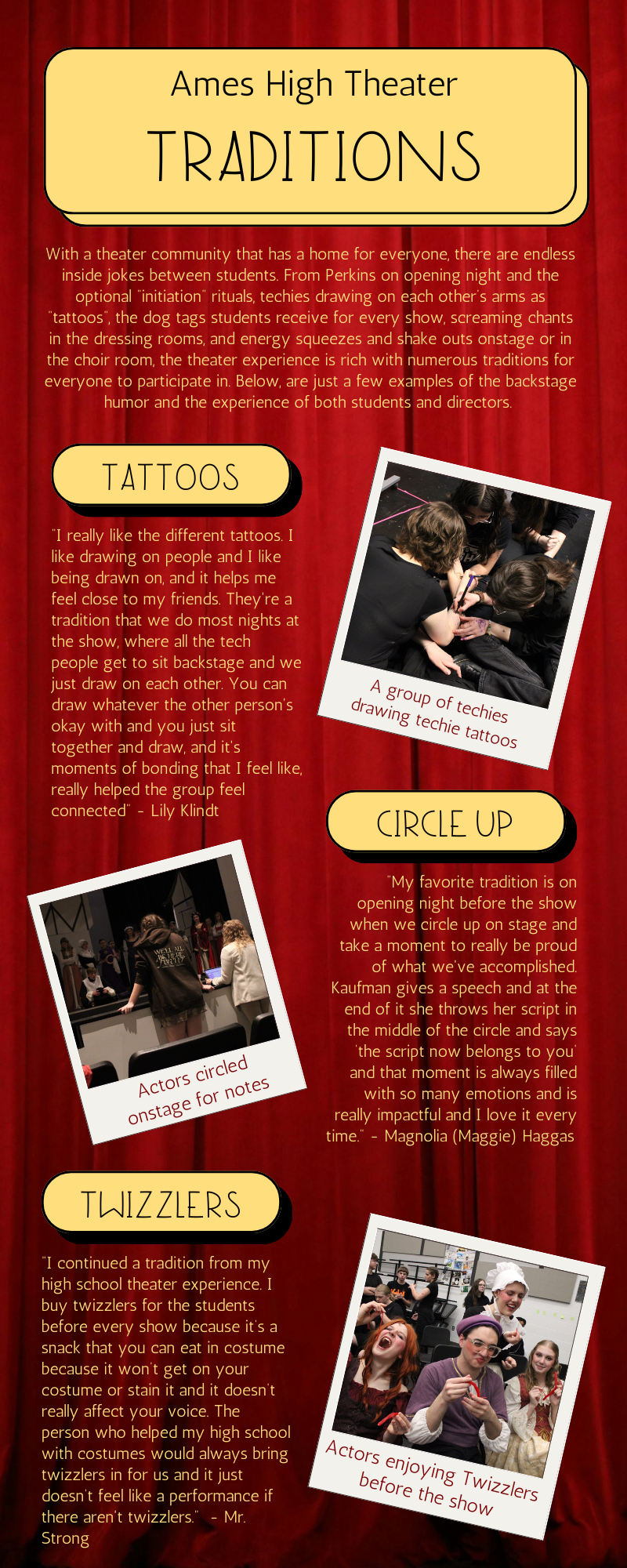
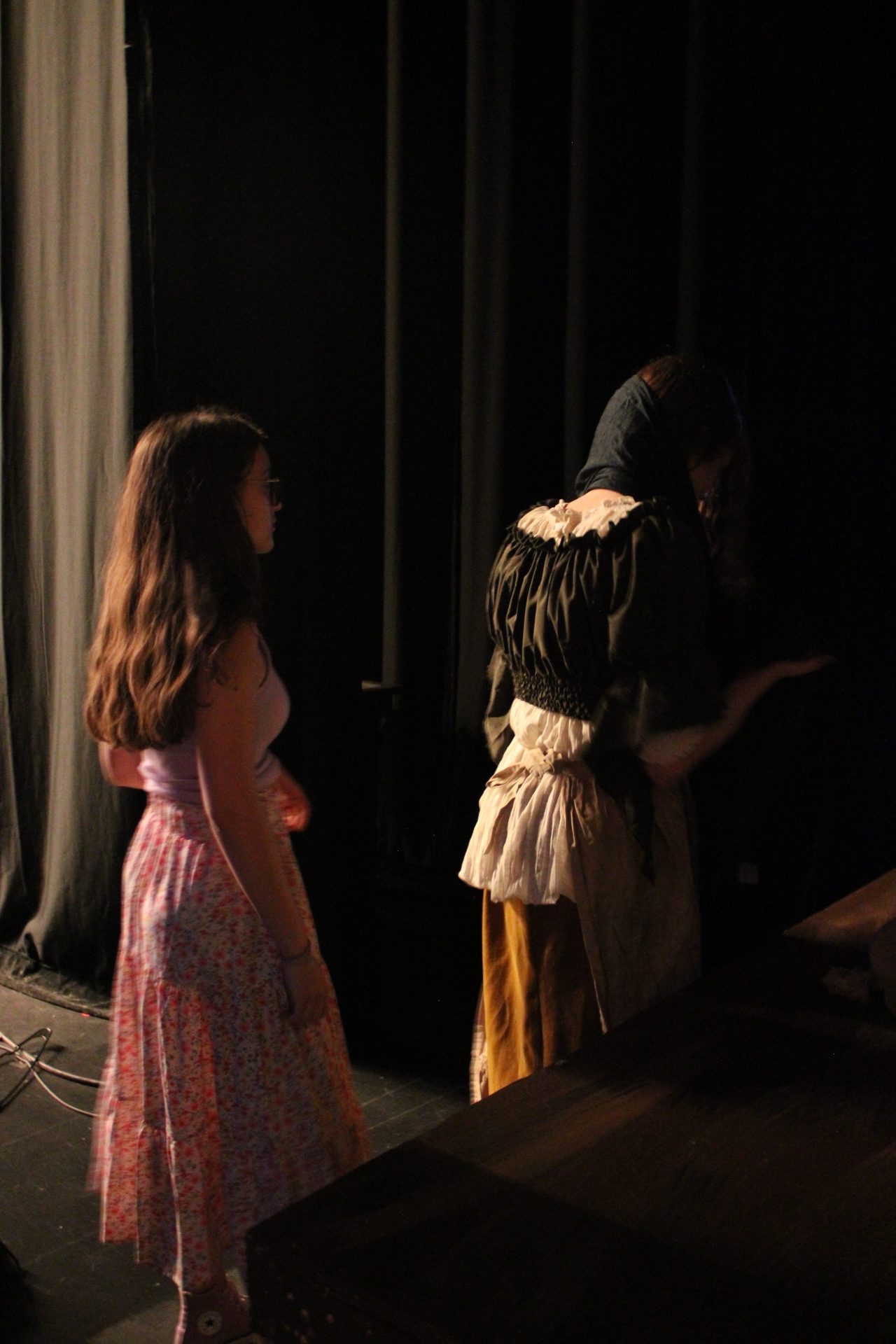
Backstage, tech members or techies dressed head to toe in black wait out of sight lines for their roles, and eight show veteran techie, Reese Wulfekuhle, shares her experience hiding in the wings for every show. “I would describe the backstage experience as boring until it isn’t. Especially for roles such as run crew. When you’re on run crew, you’re only needed for a few seconds at a time, but if you miss your cue then the entire play comes to a halt… People-wise the backstage experience is really fun, you get to interact with people you would usually never talk to and bond over the theatre experience.”
Friendships are often struck up behind the curtains, between the stage managers shushing the actors and techies whispered laughter, a certain hazy bond connects the cast and crew.
Senior Neve Sprecher describes this backstage experience, “I believe there is no better view of a show than from the wings. There is something special about seeing your friends and your peers from the wings, putting together something we have all worked countless hours on; it really allows you to take it all in and live in the moment. Sometimes I look over and see people on the other side of the stage doing the same thing, watching in awe at what we have worked together to create, and I feel a sense of community like no other.”
Every member of the theater community has been hard at work for months giving their time to their production. Techies helped put together the set designed by two ISU set designers, actors learned choreography and music in the early morning, Saturday, and after school rehearsals. So much time and effort was spent learning and encouraging the cast to be as great as they could be.
“I love the result of it all coming together, and I really enjoy teaching dances,” junior Leah Geisinger, a first time choreographer, said. “I always start by listening to it multiple times, and then I get my basic idea. Then I go watch other productions for inspiration and start writing. It comes with lots of improv and staring at a wall listening to the same 5 seconds over and over, but eventually we get something down on paper.”
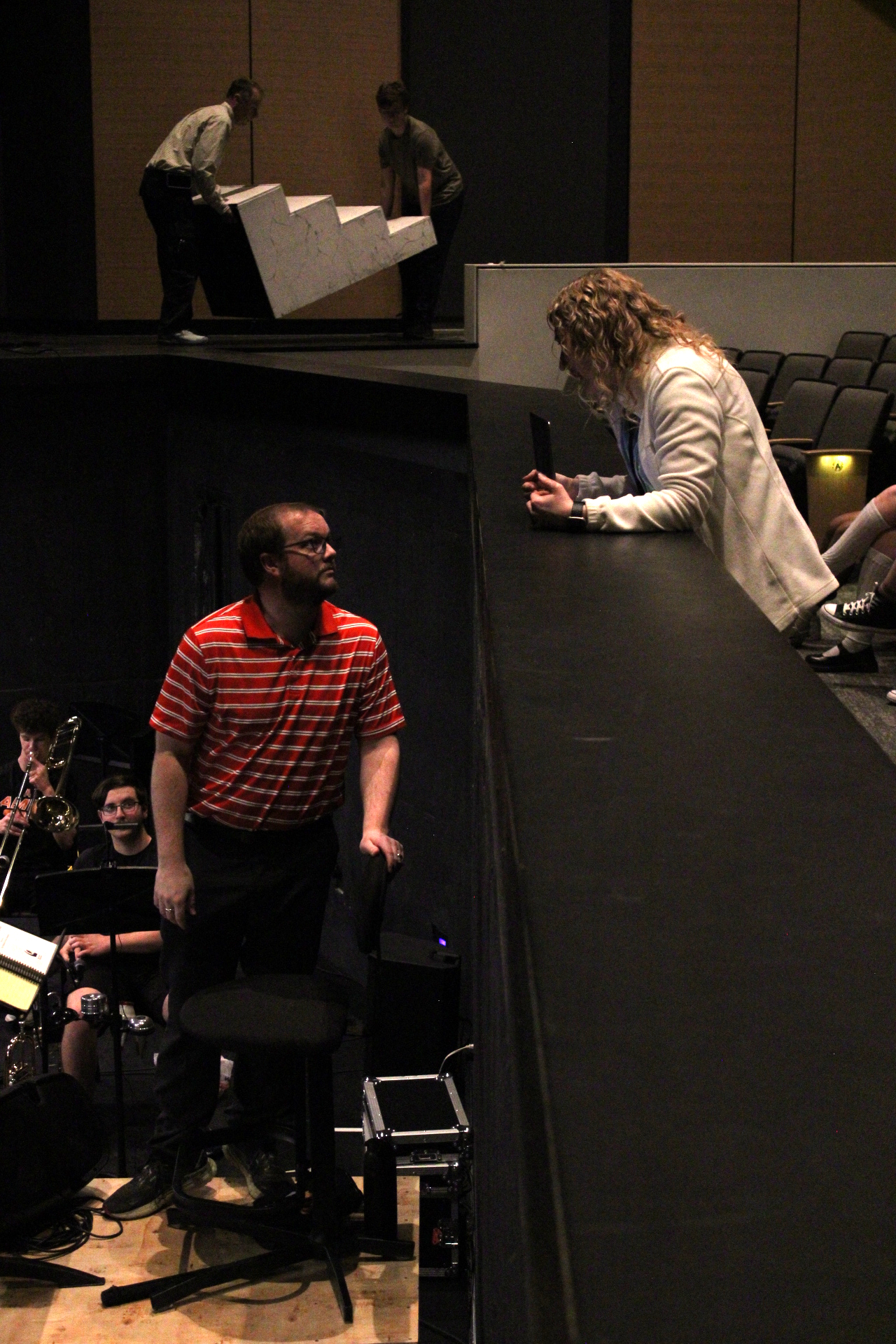
These stories that actors tell are not only in their bodies with the dances they do, but also in the songs they sing and how they embody their role entirely. Music director, Joe Strong, dedicated months of early morning rehearsals starting at 7:15am to teach the students their music, focusing on their performances as an individual.
“During the learning process I really encourage students to make their own decisions in the songs.” Strong said. “I encourage them to think beyond what they can hear on a recording or what’s on the page and see what they want to convey during their songs. When they make their own decisions it’s a more personal and powerful performance than if they just copy someone who already played the same part.”
“I think student leadership is critical not only in the drama department but in high school in general.” Strong states. “I also feel like it can take lots of different forms. We have students in charge of choreography, props, costumes, and stage management, but I also feel like leadership can be the student who has the choreography learned on their own and is ready to help others. It can be the ensemble member who is always making sure they are reacting to what is happening in the scene. If students don’t step up and lead, it can really tank a performance or even a program.”
When a viewer sees a show, often they don’t consider the props, costumes, and set pieces involved. Each of these sections of theater are split into departments, and each of these departments has a leader, or “tech head”. Typically, within the program, these positions are nicknamed as “costume head” or “paint head”. The leader of all of these positions, or Marin Knight, the current tech head, put it, the “oh, crap person”, is the student who has the opportunity to lead everyone.
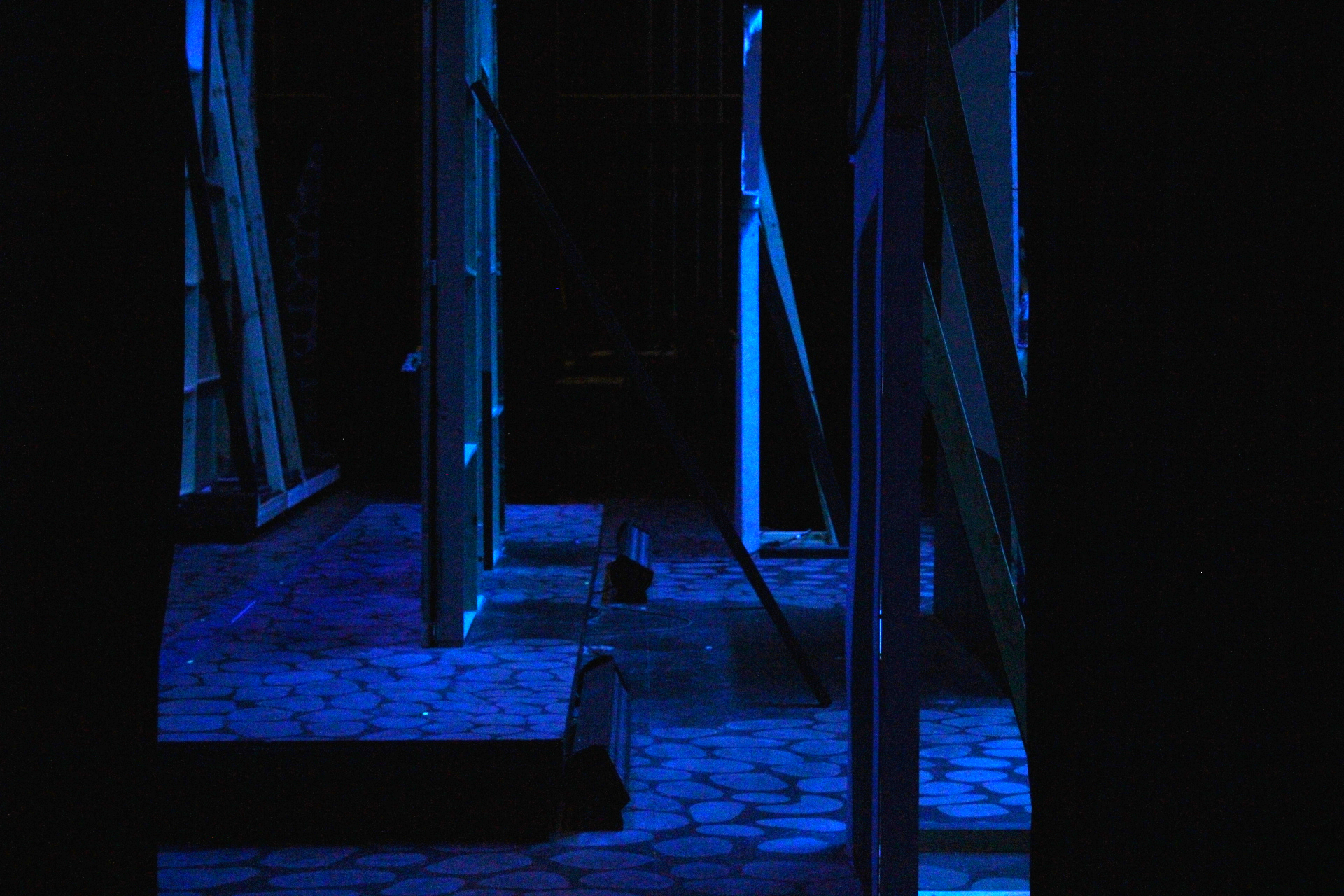
“Instead of being someone that is told what to do now I’m the person who tells people what to do and helps to lead people,” Knight says when comparing the difference between her role when she first joined theater to now. “So I think the biggest thing to change is my leadership positions. Being the one to take initiative. Being the one to make the hard decisions. Instead of just being someone who’s told what to do. There’s higher stakes involved, and there’s also more stress. But it’s also more rewarding because you can be like, wow I really did that. I contributed a significant amount to the show which I wouldn’t have done [before].”
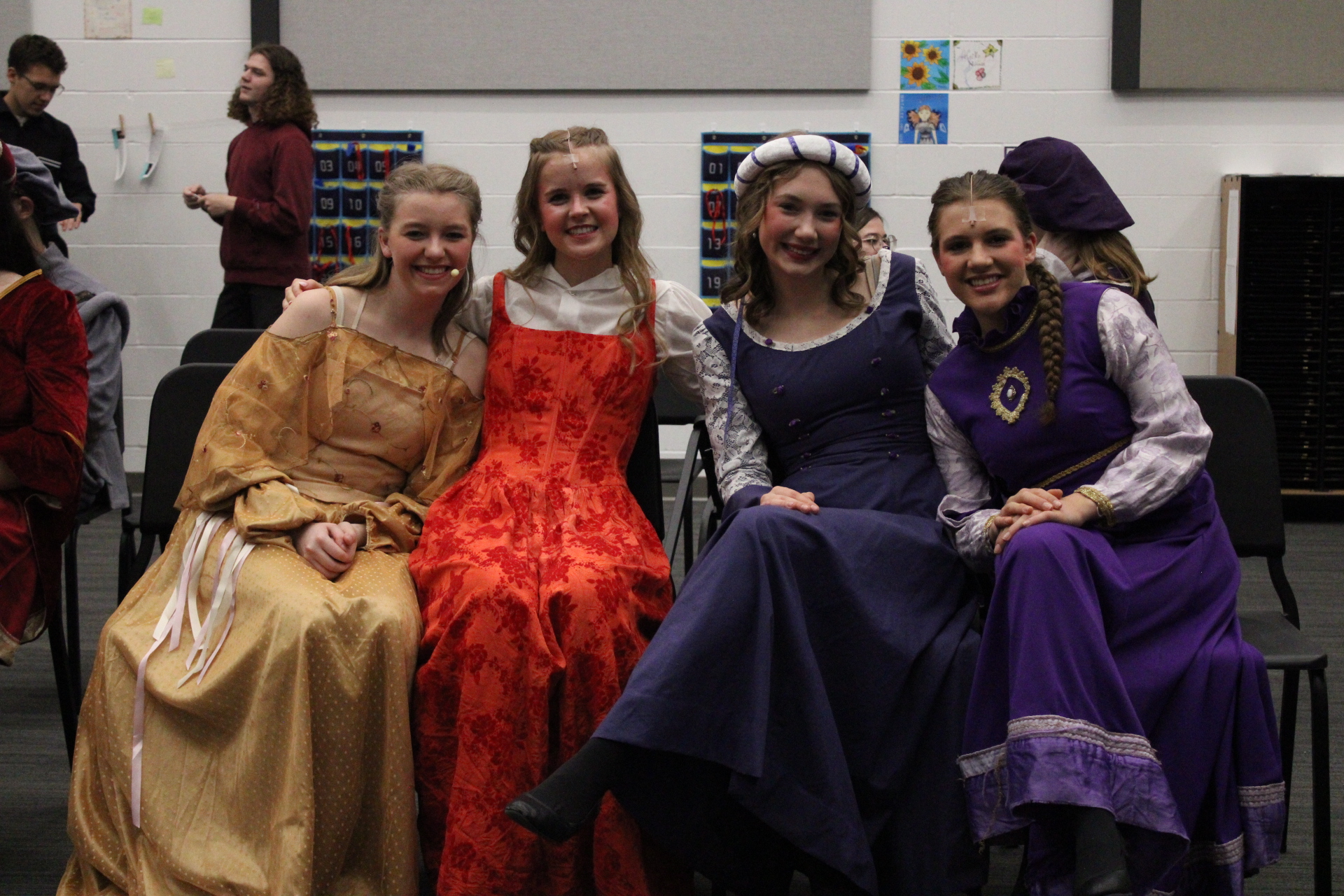
This comparison to earlier theater experiences is not uncommon. This years’ 2026 graduating class was the first freshman class to have Kaufman as a director for all four years. When she originally joined the program, Ames High theater was not as established as it is today.
“When I first joined the theater program was slightly in shambles, and there was not a lot of participation,” senior Dunkin Bearson said. “Since my freshman year, it has grown exponentially and has received support not just from inside with actors and techies but also from outside audiences. We are now one of the top high schools in Iowa for theater and are recognized across the state.”
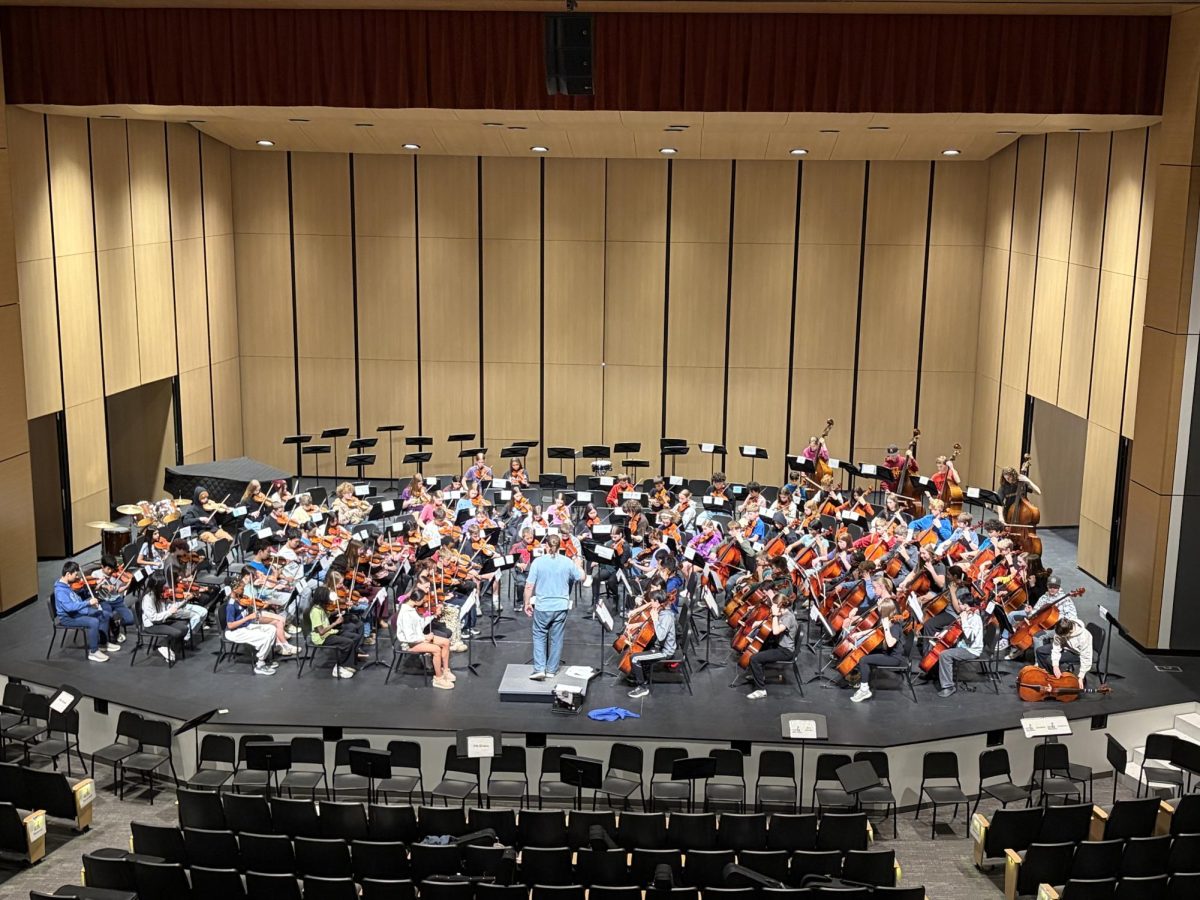
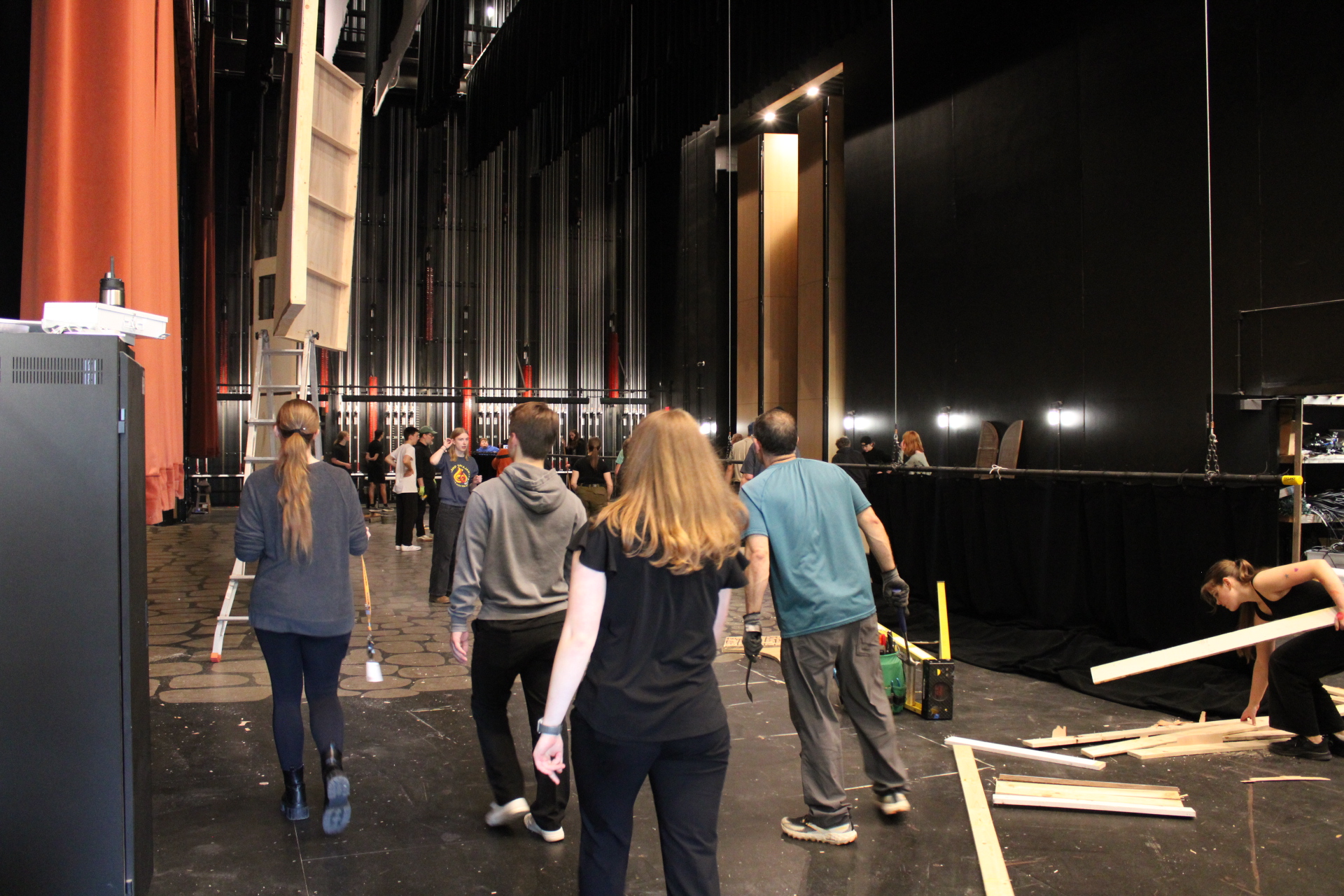
Despite the success and wonder of Ames High’s shows, it must come to an end. Something Rotten closed on April 19th, 2026, with their 2:00pm matinee show. Once the tears dried on the cast and crew’s cheeks, they had to get right back to work again. Sharing the auditorium with choir, band, orchestra, and any other Ames High event means that right after shows, the students have to get back to work again, striking every set piece from the main stage.
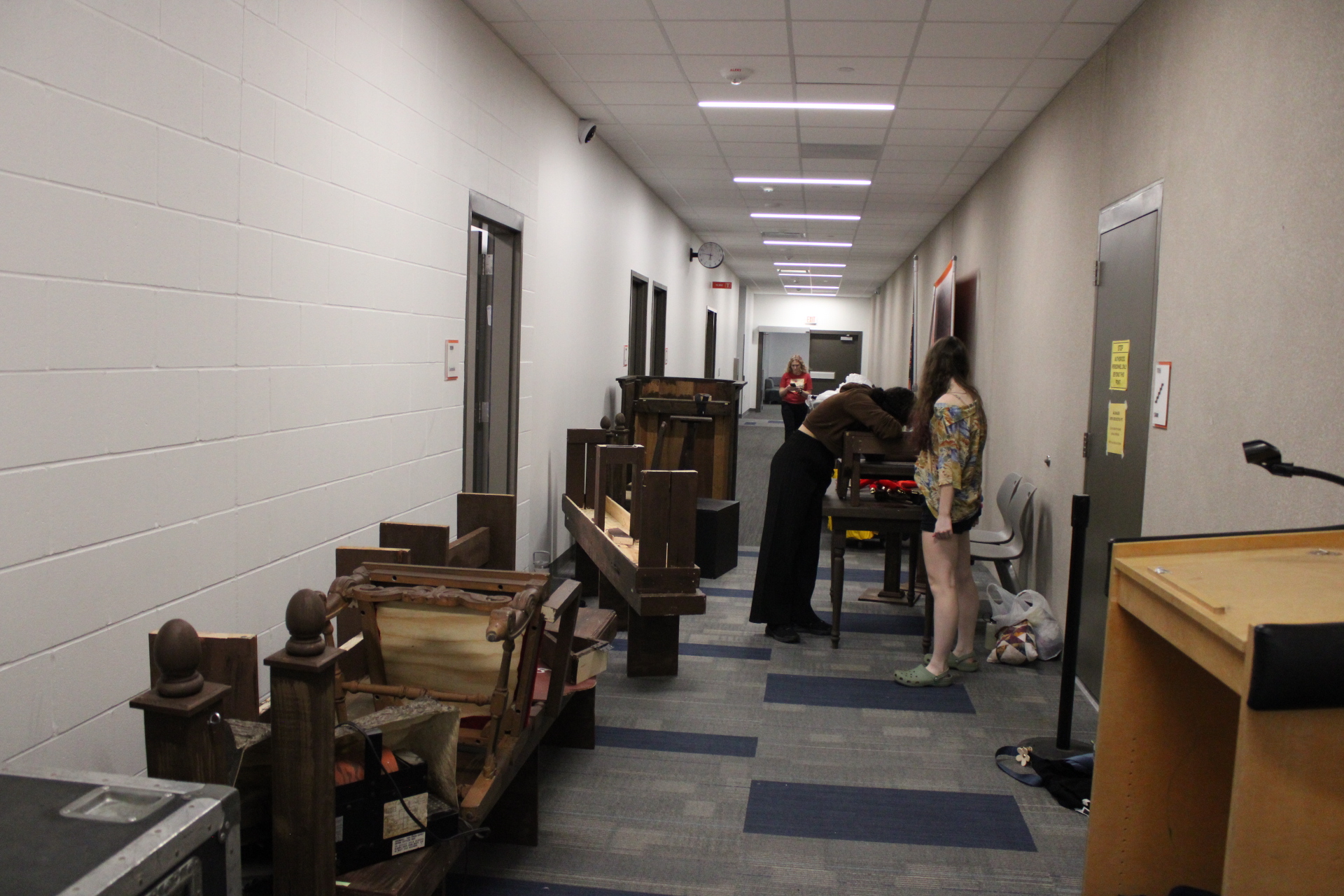
“My favorite tradition in the Ames High Drama Department is strike, because it feels fulfilling at the end of the show to be a part of the cleanup,” actor Quin Barker said. “Strike acts as a final closure for the shows, allowing me to acknowledge the work I put in and move on with the memories I made from the shows.”
As the community at Ames High theater goes through the changes they experience every year as they say goodbye to graduating seniors, they will move on to welcome incoming freshmen to the stage with a new season of shows. Before they go, the seniors will have one more opportunity to wish their friends goodbye before they move into their futures at the Ames High Theater Awards on May 13th.
“My first year of theater was also Mrs. Kaufman’s first year as the director for Ames High Drama, and it’s been so fun to see how she has grown this program from the bottom up,” Sprecher shared. “I remember the closing night of Big Fish, thinking we would never be able to top how amazing that show was. The next year, we did Mamma Mia, and I was blown away by the stark difference between the previous year’s musical and this one. I continue to be surprised year after year, seeing how much we improve. My experience in Ames High Drama has really shown me how amazing high school theater can be and why it is so important to support the arts at this level.”



Do not post comments that are obscene or libelous. Refrain from writing comments that use copyrighted materials or that involve personal attacks, insults or threats. And please relate all comments to the story.