















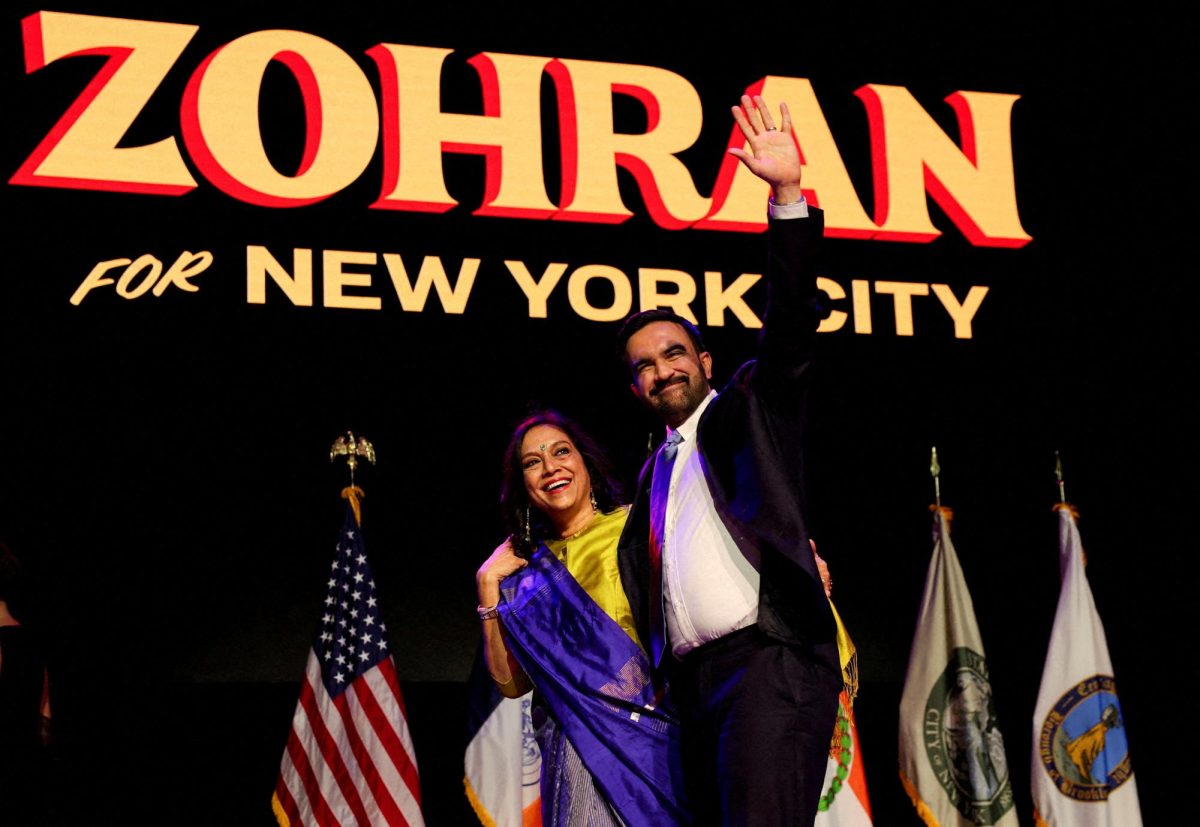
Mamdani’s platform, a $30 minimum wage by 2030, a rent freeze on rent-stabilized apartments, fare-free buses, and city-owned grocery stores in each borough, was immediately called unrealistic. But unrealistic and unprecedented aren’t the same thing. It can’t be said that these policies have failed when they simply haven’t been tried on this scale in America.
The criticism sounds reasonable. Consider the $30 minimum wage proposal. New York City’s current minimum wage is $16.50 per hour. Mamdani wants to raise it incrementally to $20 in 2027, $23.50 in 2028, $27 in 2029, and $30 in 2030. After that, it would automatically adjust based on either cost of living or productivity increases. Critics argue this would destroy small businesses, cause mass unemployment, and make the city uncompetitive.
Fare-free public transit would cost the MTA approximately $630 million in lost fare revenue annually. Taxpayers will foot the bill, and service quality will inevitably decline, opponents argue.
The price tag? Mamdani plans to raise $10 billion annually, representing nearly a 9% increase to the city’s $115 billion budget, by raising the corporate tax rate to 11.5% and adding a 2% income tax on earnings over $1 million.
American politics assumes markets work better than government intervention. But “never done before” isn’t the same as “can’t be done.”
When Seattle raised its minimum wage from $9.47 to $13 per hour between 2014 and 2017, businesses predicted disaster. However, University of Washington research found that low-wage workers saw their wages rise by 3.4% while experiencing a 7% decrease in hours worked, resulting in a net increase of around $12 per week in earnings. The predicted mass unemployment never happened.
Mamdani’s target isn’t arbitrary: MIT’s Living Wage Calculator shows a single adult in NYC needs $28.04 per hour for basic needs. If minimum wage had kept pace with productivity, it would already be $28.35. Well-designed wage increases don’t destroy economies; they redistribute wealth from corporations to workers.
Moreover, New York has already tested free public transit. From September 2023 to September 2024, Mamdani championed a fare-free pilot program on five NYC bus lines. Rideship increased 30% on weekdays and 38% on weekends, with 23% of riders reporting they made trips specifically because the service was free.
None of this means Mamdani’s policies will definitely work in NYC. But it does mean he’s not pulling ideas out of thin air. He’s looking at what’s worked elsewhere.
However, Mamdani faces genuine obstacles. NYC’s budget is already strained; it relies on approximately $7.4 billion in federal funding annually, and the Trump administration has already threatened cuts. Additionally, what works in other places might not translate seamlessly to New York City’s 8.5 million residents.
Mamdani’s election gives New York City an opportunity to discover if these policies will actually succeed and benefit the working class, or whether the critics are right.
For Iowans watching from 1,000 miles away, the outcome matters beyond just New York. Whether it’s affordability, wages, or housing costs, the question of what the government can and should do isn’t unique to New York. The same arguments against Mamdani’s platform get deployed against any proposal to meaningfully help the working class. If Mamdani does it anyway, those excuses stop working.
Do not post comments that are obscene or libelous. Refrain from writing comments that use copyrighted materials or that involve personal attacks, insults or threats. And please relate all comments to the story.